

Starting Your Parenthood Journey on the Right Paw: What to Look for When Visiting a Breeder 🐾
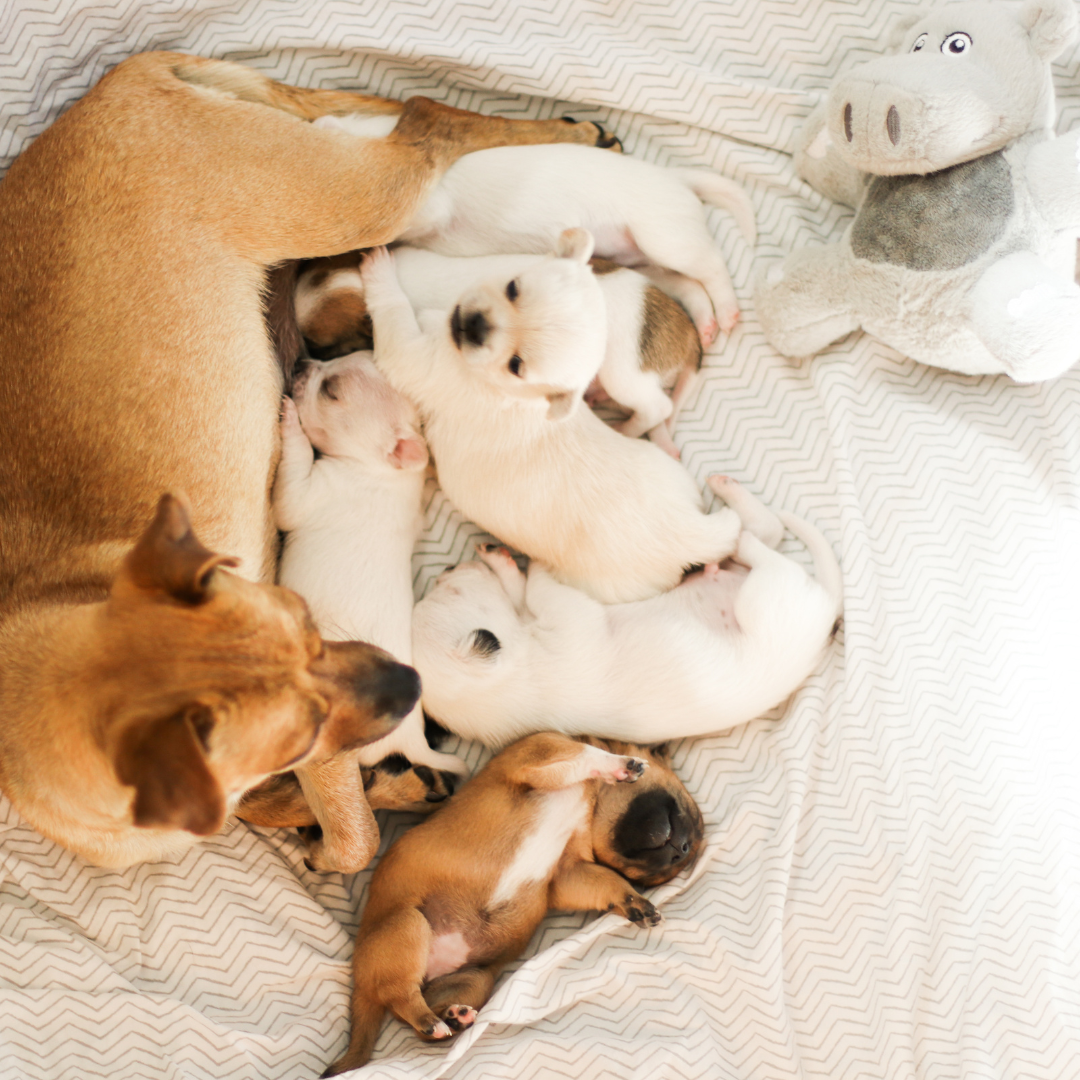
So, you’re ready to welcome a new pup into your family, exciting times ahead! But before you jump in, make sure you’re starting your parenthood journey on the right paw by finding a reputable breeder. Not all breeders are equal, and knowing what to look for can make a world of difference in the health, happiness, and temperament of your new furry friend. Here’s your ultimate checklist to make sure you’re getting a happy, healthy pup from the best possible start!
1. Pups are Raised in the Heart of the Home
A reputable breeder will raise their puppies right in the middle of their home, where they’re treated as part of the family. When you visit, you should see all the puppies together with their mum, not separated or kept in cages. This home environment is crucial because it exposes the puppies to everyday sounds, people, and routines, helping them grow into confident, well-adjusted dogs.
What to Look For:
Puppies are playing, exploring, and interacting in a safe, clean space.
Mum is present with the puppies, showing that she’s been able to care for them without unnecessary separation.
2. Mum is Calm and Confident Around You
A happy mum means happy puppies! When you meet the breeder and the mum dog, pay attention to her behaviour. She should be calm, friendly, and comfortable around strangers, as this temperament will often be passed down to her puppies. A mum who is anxious or overly protective can indicate poor breeding conditions or a lack of socialisation, which might affect her pups as they grow.
What to Look For:
Mum approaches or observes you with curiosity or calm, rather than hiding or barking excessively.
She is well-groomed, healthy-looking, and shows trust in the breeder and the environment.
3. Puppies Have Their Own Bowls, Toys, and Spaces
To help puppies develop good habits and confidence, they should be fed separately in individual bowls and have access to toys, separate places for sleeping, and designated areas for toileting. Separate feeding and spaces give each puppy a chance to build independence and learn boundaries, which is key for future training and socializing.
What to Look For:
Puppies have clean bowls and are eating comfortably apart from each other.
There’s a selection of toys available to encourage natural play and exploration.
Separate spaces are provided for sleeping, toileting, and playing, which signals early organization and structure in their routine.
4. The Breeder Has Papers and Health Tests for Both Parents
A reputable breeder will have complete paperwork on the lineage, health, and genetic testing for both parent dogs. Ask to see any health certifications or tests for conditions commonly associated with the breed. This paperwork reassures you that the breeder is responsible and committed to producing healthy puppies.
What to Look For:
Certificates or test results confirming the parents are free from common breed-specific genetic disorders.
Pedigree or lineage paperwork showing the puppy’s family history.
Openness from the breeder to discuss health issues and provide vet references.
5. Puppies Are 8-12 Weeks Old
Responsible breeders will wait until puppies are at least 8-12 weeks old before they’re ready to go home. By this age, puppies have had more time to learn social skills from their mother and siblings, making them better equipped for a smooth transition to a new environment. Puppies that are taken too early may have trouble adjusting to new surroundings, routines, and people.
What to Look For:
Puppies around 8-12 weeks old, displaying confidence, curiosity, and playfulness.
An environment that shows signs of careful socialization and positive handling by the breeder.
6. Socialization Chart and Experience with New People, Sounds, and Handling
Good breeders prioritize socialization and often keep a chart or record of each puppy’s experiences with new sounds, people, and handling. Socialization charts show you what your puppy has already been exposed to, helping them grow into a confident, adaptable dog. Look for puppies that have already experienced a variety of people, sounds, and even some basic handling.
What to Look For:
A socialization chart or diary, showing regular exposure to people, household sounds, and handling.
Puppies who are friendly or curious around new people, not timid or fearful.
Evidence that the breeder is invested in raising puppies who are ready for the world.
7. Basic Training Begun: Toilet, Separation, and Handling
Ideally, the breeder has already started some basic training with the puppies, such as toileting, gentle handling, and brief periods of separation from mum and littermates. Early training is invaluable because it creates a foundation for success in your home. Puppies who’ve had positive introductions to these routines are easier to train and adapt more smoothly to their new families.
What to Look For:
Puppies show some comfort with being gently handled by the breeder and exploring on their own.
Basic toileting has been introduced, and there’s evidence of a routine in place.
The breeder can talk about the puppies’ personalities, training progress, and how to continue their routines.
Additional Tips for Your Visit
Ask Questions: Good breeders welcome questions about their practices, the breed, and each puppy’s personality. Don’t hesitate to ask anything that comes to mind!
Observe: Watch how the breeder interacts with both the puppies and their mum. Are they caring, attentive, and knowledgeable?
Trust Your Gut: If something doesn’t feel right or the breeder seems unwilling to answer questions, consider it a red flag.
Starting your puppy journey with a reputable breeder sets you and your new furry friend up for success. By following this checklist, you’re not only ensuring a healthy, well-adjusted pup but also supporting ethical breeding practices. Here’s to a lifetime of happy memories with your new best friend! 🐾