

How Long Does It Take to Train Your Dog?
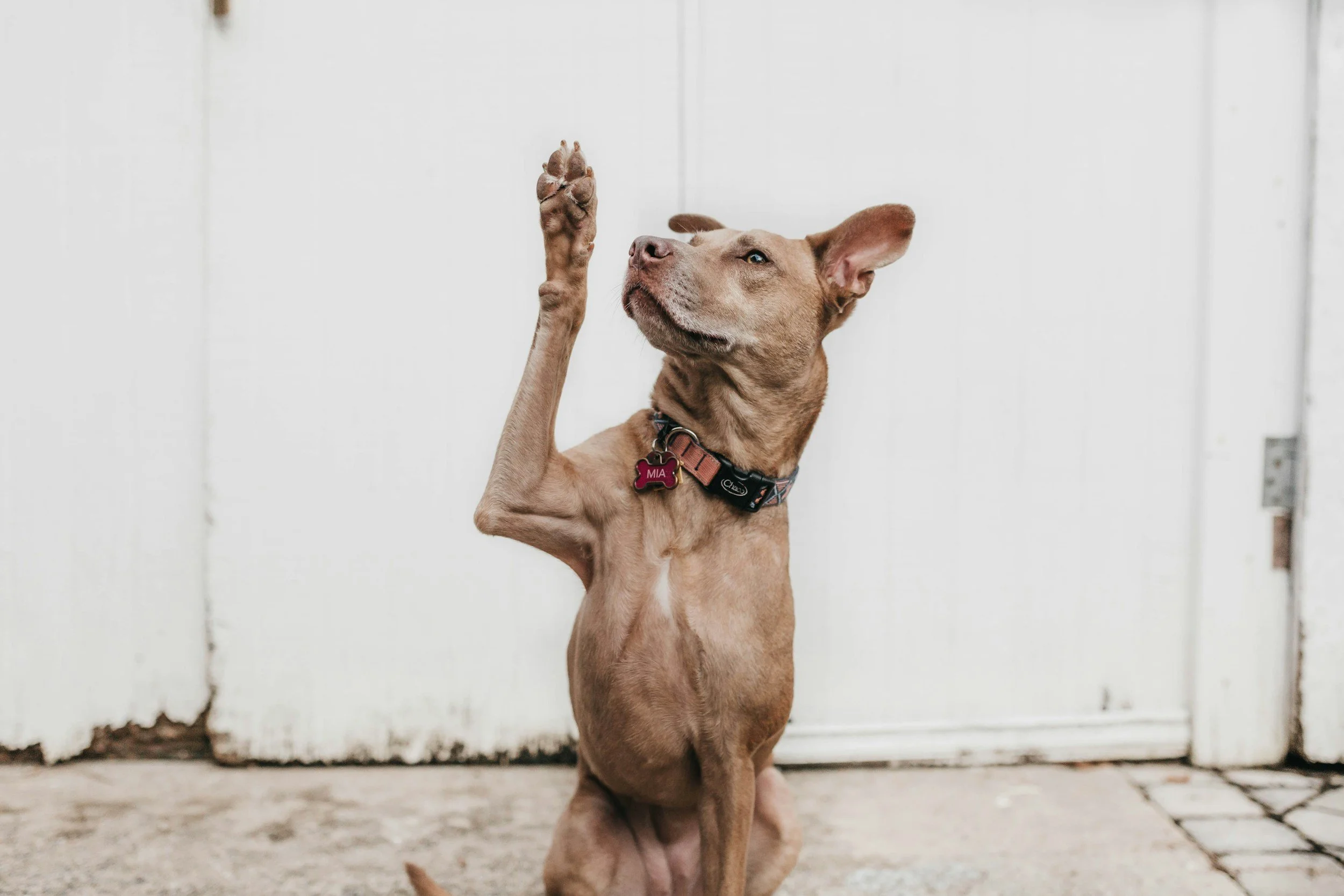
At Polite Paws, one of the most common questions we hear from dog owners is, “How long will it take to train my dog?” The answer isn’t straightforward because every dog is unique. Factors such as age, breed, temperament, and the type of training can all influence how quickly your dog learns. Here, we’ll explore the different stages of training and what you can expect, while keeping in mind that flexibility and patience are key.
The Basics: Every Dog Learns at Their Own Pace
Just like people, dogs have individual learning styles and paces. While some dogs may pick up commands like "sit" or "stay" within days, others might take weeks of repetition and positive reinforcement. Consistency, patience, and understanding your dog’s unique personality are crucial to the process.
Puppy Training Timeline
Puppies go through several developmental stages, and their learning capabilities change as they grow. Here’s a rough guide from our professional experience:
8 to 12 Weeks: Puppies are like little sponges during this time and can begin learning basic commands like "sit," "stay," and "come." Crate training and house training also start at this age. With consistent practice, these lessons typically take 2 to 4 weeks to establish.
12 to 16 Weeks: Puppies become more curious and may test boundaries. Continue reinforcing basic commands while introducing leash training and socialization. Expect to spend several weeks building reliable behavior.
6 to 12 Months: Puppies enter adolescence, which can sometimes feel like a regression phase as they test limits. It’s important to stay consistent and reinforce training. At this stage, they’re still learning and adapting, but their ability to focus improves with time.
12 to 24 Months: This is when many dogs develop their “adult brain” and gain more impulse control. Training efforts often solidify during this period, and previously learned commands become more reliable.
Basic Obedience Training
For basic commands like "sit," "stay," "down," and "come," training usually takes 4 to 8 weeks with daily practice sessions of 10-15 minutes. Younger dogs and certain breeds that are eager to please may learn faster, while older or more independent dogs might take longer.
House Training
House training varies widely depending on the dog’s age and consistency in their routine. Puppies typically take a few weeks to a few months to become reliably house-trained. Adult dogs adopted from shelters might also need time to adjust, but they can often learn faster with consistent reinforcement and this process will generally take 4-6 months if starting again from scratch.
Advanced Training and Tricks
Teaching advanced commands or fun tricks can take several months of consistent effort. For example, teaching a dog to roll over or fetch specific items may require patience and repetition, along with gradually increasing the complexity of the task.
Behaviour Modification
Addressing behavioural challenges like separation anxiety, leash reactivity, or aggression requires time and, often, professional guidance. Depending on the severity, behaviour modification can take anywhere from a few months to over a year. The key is consistent effort and working with a qualified trainer or behaviourist. The way we like to think about it here at Polite Paws is to think about the difference between yourself learning a new trick or skill versus changing an ingrained habit or fear. For instance Trainer Ben recently learned to juggle after watching a few tutorial videos and he kind of got the basics (don’t ask him to juggle, he’s not very good). Ben is also very afraid of spiders and highly doubts he’d get past his fear after a few short video tutorials, to change that irrational fear it is going to take a lot of time and patience. It’s the same with your dogs, skills and tricks come easier, behaviours and emotions take time , practice and patience.
Factors That Influence Training Time
Age: Younger dogs tend to learn faster but may also be more easily distracted. Older dogs can learn new tricks too, but they may require more patience.
Breed: Some breeds, like Border Collies and Golden Retrievers, are known for their trainability, while independent breeds may take more time and creativity.
Temperament: Shy or anxious dogs may need extra reassurance, while confident dogs might pick things up quickly.
Owner Consistency: The more consistent you are with training and reinforcement, the faster your dog will learn.
How We Can Help
At Polite Paws, we understand that every dog is unique. That’s why we offer tailored training programs to meet the specific needs of you and your furry friend. Whether you’re working on basic obedience, advanced tricks, or addressing behavioral challenges, our professional trainers are here to guide you every step of the way.
Tips for Successful Training
Be Patient: Training takes time, and every dog progresses at their own pace.
Use Positive Reinforcement: Reward your dog for good behavior with treats, praise, or play.
Keep Sessions Short: Frequent, brief training sessions are more effective than long, infrequent ones.
Practice Daily: Consistency is the cornerstone of effective training.
The Last Bark
Training your dog is a journey, not a race. While there are general timelines for various stages of training, every dog is unique, and their learning curve will vary. Puppies typically develop their “adult brain” around 12 to 18 months, but training is an ongoing process that continues throughout a dog’s life. At Polite Paws, we’re here to help you build a strong and lasting bond with your dog. Contact us today to learn how we can support you on your training journey!